
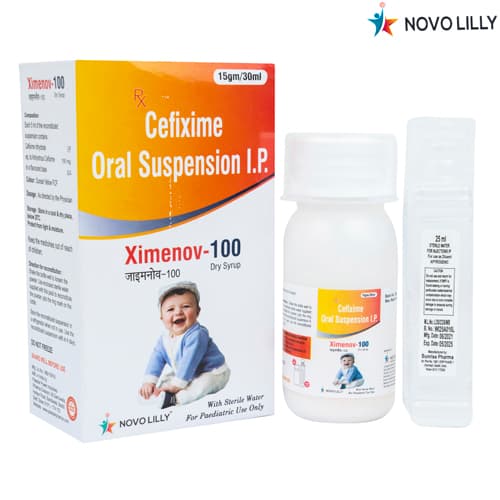
Cefixime 100MG Dry Syrup
- compositioncefixime 100 mg d/s
- CategoriesDRY SYP, PEDIATRIC PRODUCTS
Cefixime 100 mg is classified under the category of Cephalosporin antibiotics. It is majorly used in the treatment of bacterial infections in children of nose,sinus,throat,chest,lung and Urinary tract infections.It is also used to cure typhoid and pneumonia. Bacterial infections are most common in children as they are often exposed to close contact with other young children.Bacteria multiply in our body rapidly by binary fission and make us fall ill. This medication works by inhibiting the synthesis of cell wall which is required by the bacteria to survive and reproduce. As a result, they die and we get cured from that infection.
Uses of Cefixime 100 mg
Administer this medicine to the child either two hours after meals or an hour before meals. Try to give it with meals to prevent upset stomach and bloating . Mix this dry syrup in distile water by measuring the amount in measuring spoon. IT is advised to take this medicine at a fixed time to avoid a missed dose. If the child vomits the medicine within 30 minutes of intake, repeat the same dose but donot double the amount of dosage. The course and duration of this medication will be determined by the doctor after examining the medical condition of the child, body response towards the medicine and his body mass. Donot discontinue the use of this medicine in case the symptoms disappear or the child feels better. This may result in continuous growth of bacteria in the body and result in relapse of the bacterial infection. Consume this medicine until the full prescribed course has finished.
Precautionary Measures
Certain points must be kept in mind while giving this medication to children to avoid any clinal complications. These include:
- Tell the doctor if child has or ever had an allergy to any medicine. This medicine may contain some inactive ingredients which can trigger allergic reactions.
- Inform your doctor if the child has any of the given disease- liver disease, kidney issue,congenital defect or bowel problems.
- Donot exceed the prescribes dosage
- Donot consume the product after the expiry date. It may cause severe allergic reactions in children
- Store in a cool and dry place out of reach of children.
- Donot consume a pre prepared mixture after 2 hours of mixing the ingredients.
Side Effects of Cefixime 100 mg Dry Syrup
Along with the needed effect of medicines, there are some ill effects of them as well. Most of these side effects donot require medical attention and are self cured as the body adjusts to the medication. In maximum cases, the body of children well tolerated the medicine and showed positive effects. But some common side effects of this medicine witnessed in children are
- Nausea
- Vomiting
- Bloating
- Indigestion
- Abdominal pain
- Diaerhea
- Drowsiness
Consult your doctor if the side effects become worse and prevail even after the full course.
Directions for Use – Cefixime 100MG Dry Syrup
- Shake the bottle to loosen powder.
- Add boiled & cooled water up to the mark and shake well to make a uniform suspension.
- Give the dose as prescribed by your doctor, using the provided measuring spoon/dropper.
- Shake well before each use.
- Store in the refrigerator and discard after 7–10 days of preparation.
- Complete the full course for best results.
FAQs – Cefixime 100MG Dry Syrup
Q1: Is Cefixime 100MG Dry Syrup safe for children under 5 years of age?
A: Yes, Cefixime Dry Syrup is generally considered safe for children aged 2 months to 12 years, including those under 5 years. However, it should always be used under medical supervision.
Q2: Does Cefixime 100MG Dry Syrup cause diarrhea in children?
A: Yes, diarrhea is a common side effect in some children taking Cefixime. Do not give any anti-diarrheal medication without consulting a doctor, as it may worsen the condition or interfere with the medicine’s effectiveness.
Q3: Can Cefixime 100MG Dry Syrup be used to treat typhoid and pneumonia in kids?
A: Yes, Cefixime is used to treat various bacterial infections, including respiratory tract infections like pneumonia and typhoid fever. However, always consult your child’s doctor for the correct dosage and duration of treatment.